24 July 2026
What will software engineering look like in 5 year's time?

This time last year, I was still using Cursor and using the tab models a lot, autocompleting functions, reading code, manually writing code and reviewing code written by others. Now all of that is gone. I just prompt now. I no longer even read the code. Maybe I’m one of those SWEs that will get automated away.
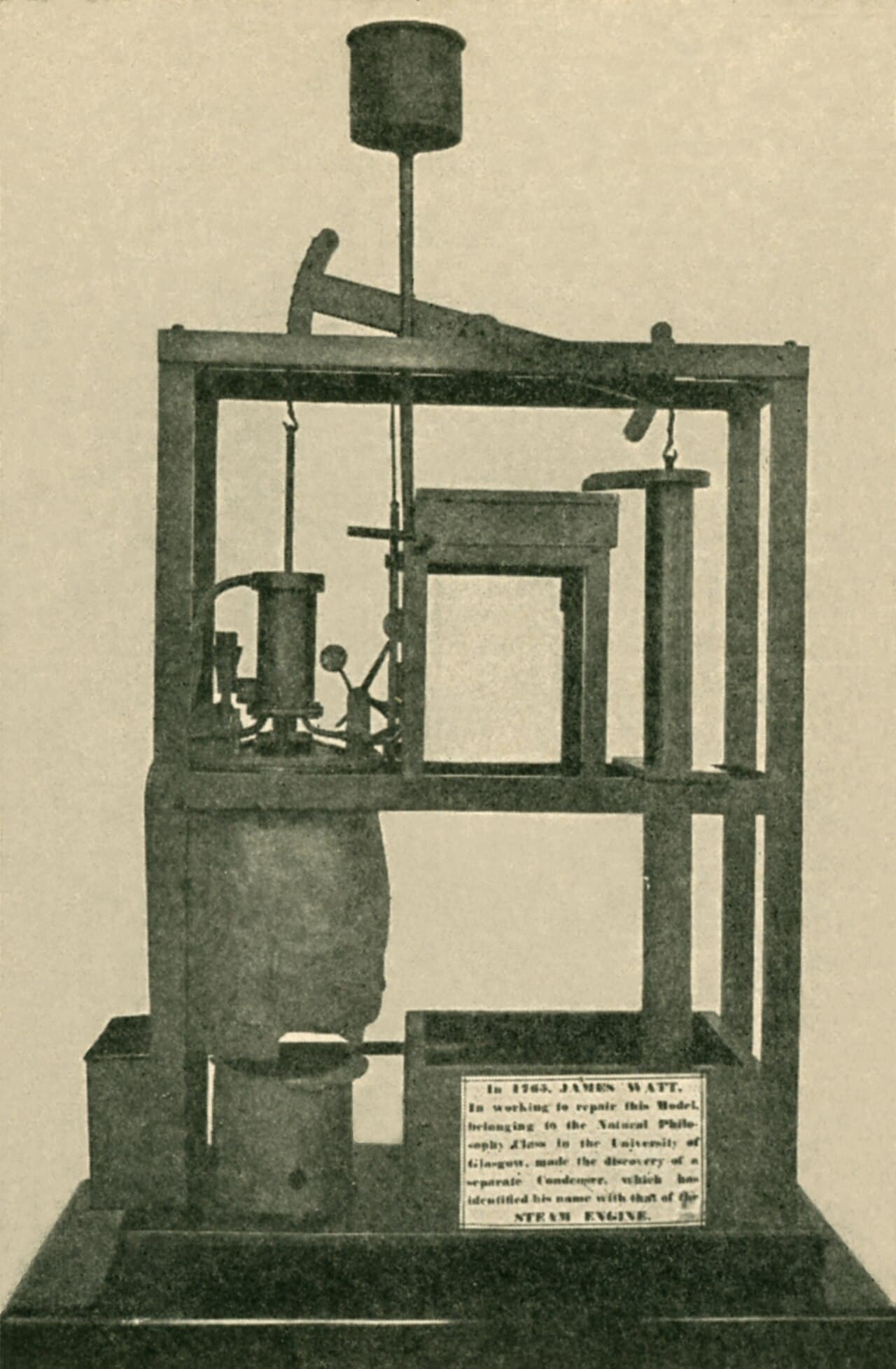
Software will either be like tractors & farming or James Watt’s coal burning steam engine (Jevon’s paradox).
Tractors literally automated away millions of “unskilled” labor jobs throughout the western world, but we produced way more agriculture products now or it will be like steam engines where it became so efficient that new applications came out in so many other industries that demand for coal miners and coal related jobs exploded.
I believe AI will do this to SWEs, because unlike agriculture where the demand is limited by our calorie intake needs, software doesn’t really have that. Software is very much a proxy for automation and it’s a horizontal technology, deeply ingrained into every part of the economy now. If you ask a business owner if they want more or less automation they will always say yes. No amount of automation is enough, you always want more automation. Automation may not be the best word, but I think it’s the closest, but at a more fundamental level, it's an efficiency improvement in how energy is used to meet human demands.
Data so far has partly proven this thesis. There’s been more SWE jobs now despite AI basically automating all the “writing” of the actual code now, though composition of the job listings are changing a bit, there’s less generalist & junior SWE jobs and more ML, Data, infra specific job listing now. Not sure if that’s a counter signal to the thesis or just a change in the composition of long term jobs in the industry and Jevon’s paradox still holds.
Anyways if I had to bet whether there will be more or less jobs in 5 years, I’d bet more. I’d mm at 65/35.
Now that there’s more jobs, you know like what will SWEs do for 8hrs a day? Well depending on seniority I’m guessing, but I think the time manually writing code that is defined by manually changing the code by typing on your keyboard in the codebase will go to 0%. I heard Linus compare AI to compilers “writing” code which is pretty interesting and a thought that has stuck with me ever since. K so that’s definitely gonna go away, it will be autocompletes, prompts instead, architecting and system design stuff? The interesting thing is the logical side of things is gonna go away as well so the Intellectual/technical decisions should be way easier to make, because the AI has like 130iq now and increasing every year so idk for raw iq bottlenecked stuff that’d go away as well. I think a core “skill” that’d become incredibly powerful is technical/engineering taste. I.e you have a good understanding of the system and ideas on how it could be improved and you describe it very clearly to the Agent, and it goes off and tests your exact hypothesis, writing the code and tests and comes back with results. I think this loop and the people who have this skill are going to be incredibly valuable. I suspect for those working at the cutting edge, this is what the majority of the day would look like, just thinking about new ideas, talking to human teammates and AI agents and then experimenting very fastly in this core loop. For those working on more mundane stuff, I suspect it’d be more management and prompting of agents, telling it very clearly, hey I need you to do this in this specific way, then verify results, tests, code reviews etc. I guess it's like translating what your boss and business goals want so the agent can achieve it most efficiently and correctly.

Another interesting data point to look at right now is the rise of the forward deployed engineers, basically these are non autistic SWEs that can talk to customers and go to their actual businesses and integrate their employer’s software/models into their business, I actually think this a pretty massive signal that SWEs will be like Jevon’s paradox instead of farming, because the growth of this FDE role is basically saying, heyyy we’re a company that doesn’t make software, but we want more software! Pls send your best engineers so we can use and buy more software from you! You often see this with a technology where there’s massive demand from the outside world, not when it's stagnating or shrinking. Look up engine erectors for steam engines and travelling inspectors for the telegraphs.
So… in summary, more SWEs, more experimenting, prompting and management of agents, more creativity, tasteful work instead of raw intellectual stuff.
The future is bright people.